
Let’s Meet, on Your Terms
No pressure, no obligations — just an open conversation about your goals.


War in Iran
For the second year in a row, geopolitics have taken center stage in the first quarter of the year. While 2025 was headlined by attempts from the Trump administration to rework the global trade order through tariff threats, 2026 has seen the emergence of kinetic warfare. What started as a largely successful and unimpactful (by market standards) operation in Venezuela has since evolved into a potentially far more economically disruptive event in the Middle East.
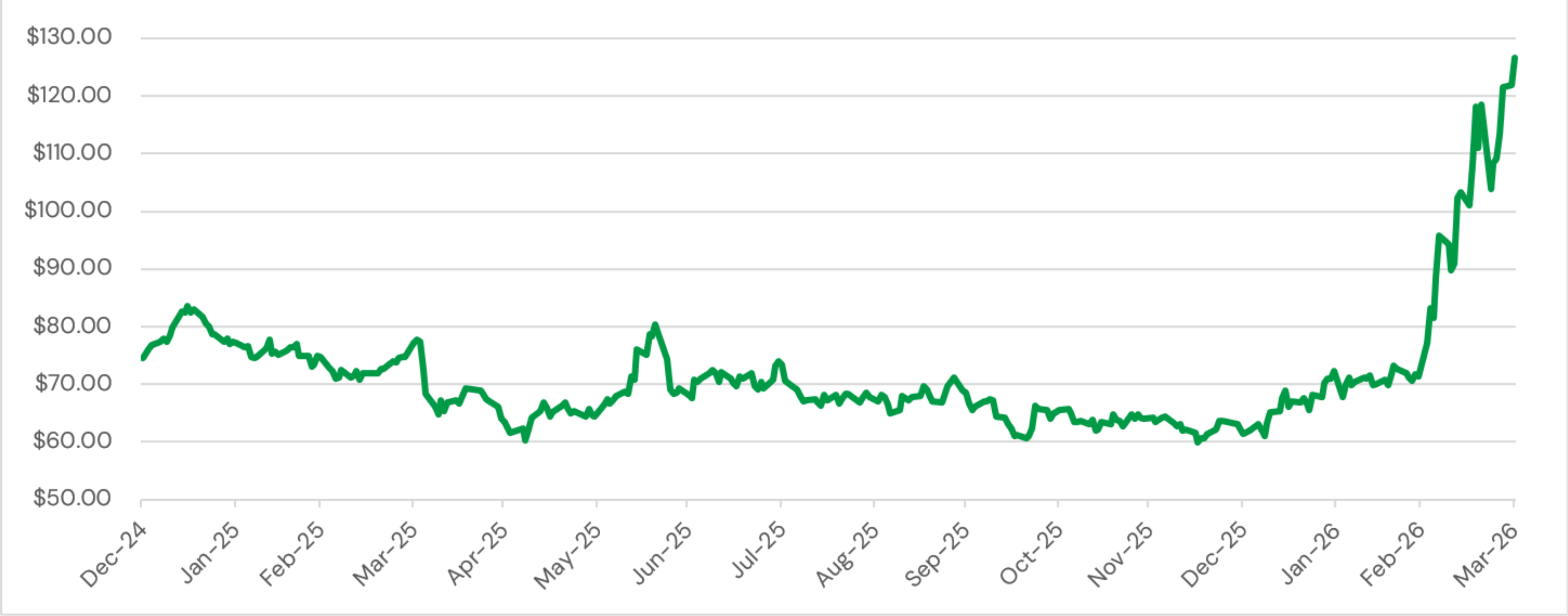
The U.S. is now nearly two months into a military operation in Iran that has brought traffic through the Strait of Hormuz to a halt, severely disrupting the global energy supply. Since the conflict began in early March, oil tankers and cargo ships have been largely trapped in the Persian Gulf, with energy infrastructure also part of the collateral damage. With roughly 20% of global seaborne oil passing through the strait now essentially blocked, oil and other natural resources have seen prices move significantly higher. After finishing 2025 near $60 a barrel, Brent crude’s spot price traded above $120 a barrel at the end of Q1.[1]
Brent Crude Spot Prices
Source: YCharts, Energy Information Association
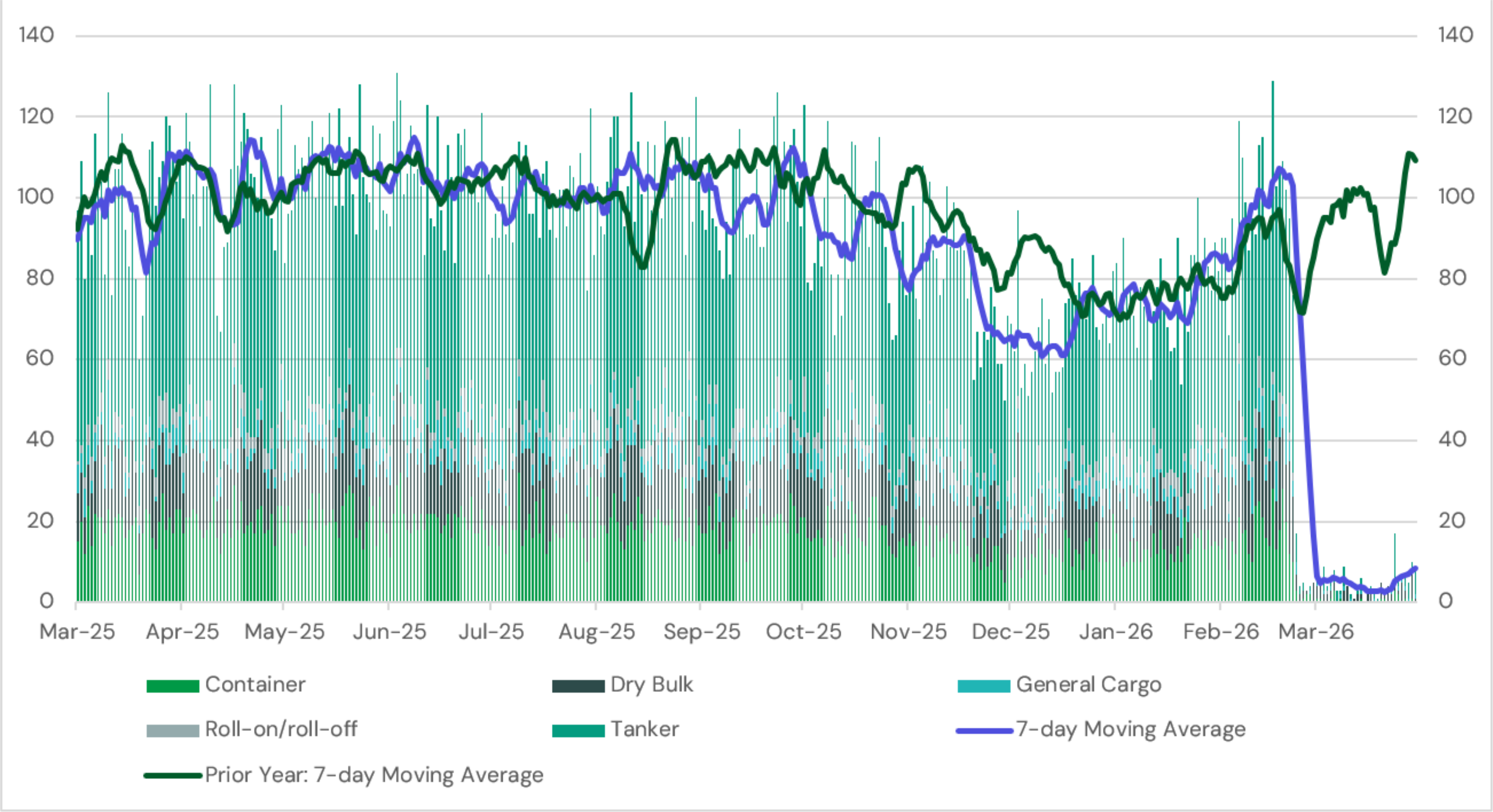
We believe the number of ships passing through the Strait of Hormuz is likely to be a heavily monitored dataset and a driving factor in earnings expectations moving forward. After averaging over 100 ships in late February, traffic through the Strait fell to nearly zero at its lowest point in March.
Strait of Hormuz Ship Traffic
Source: UN Global Platform, PortWatch
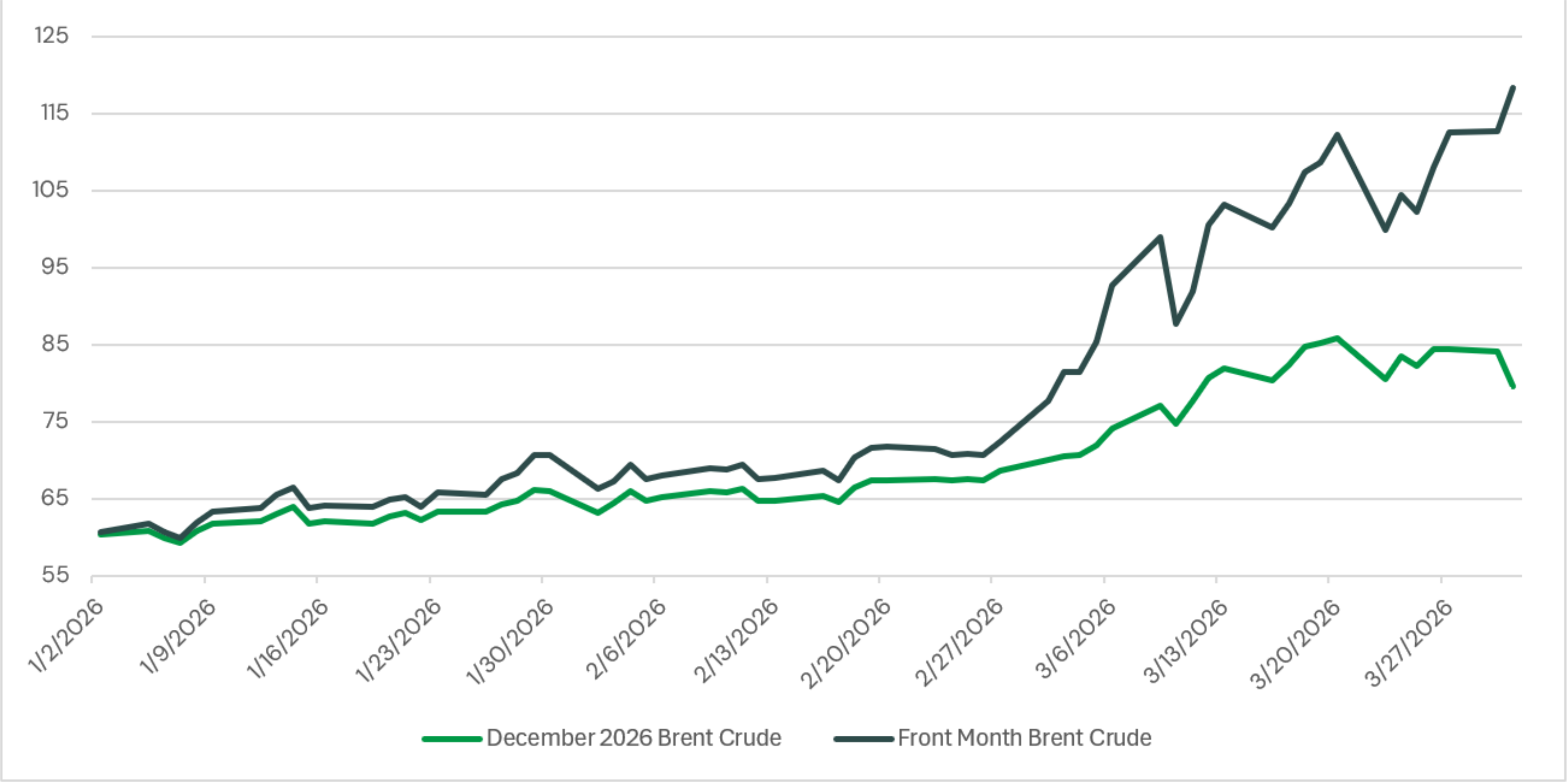
Looking at the forward curve for crude, or the market’s expectations for future oil prices, can help provide a signal of how long markets expect the disruption at the strait to last. Front-month oil contracts (for crude that needs to be delivered approximately within the next month), saw prices spike dramatically in March (black line in the chart below) to over $115 a barrel. However, looking at oil prices farther out on the curve paints a different picture, as the price of crude oil set to be delivered in December 2026 (green line below) has also moved higher, but trades closer to $80 as of early April. In the event of an escalation or extended duration of the war, we would expect the price of December oil contracts to move higher, but so far, the chart shows that market expectations are for the disruption at the strait to be short-lived.
Brent Crude Oil Price: Front-Month vs December 2026
Source: Bloomberg
In times of geopolitical uncertainty, we remain focused on long-term asset allocation and will not make material changes without greater clarity on the trajectory of the conflict and its economic implications. However, we are closely monitoring the impact on economies and markets, including the need to revive supply chains, rebuild and replenish inventories, and meet the increased fiscal demands from governments, all of which are likely to put upward pressure on inflation and weigh down growth. We don’t believe this is sufficient to cause a recession in the U.S., but it has tempered what would have otherwise been a strong year for economic growth and broad-based corporate profitability.
Market & Economic Update
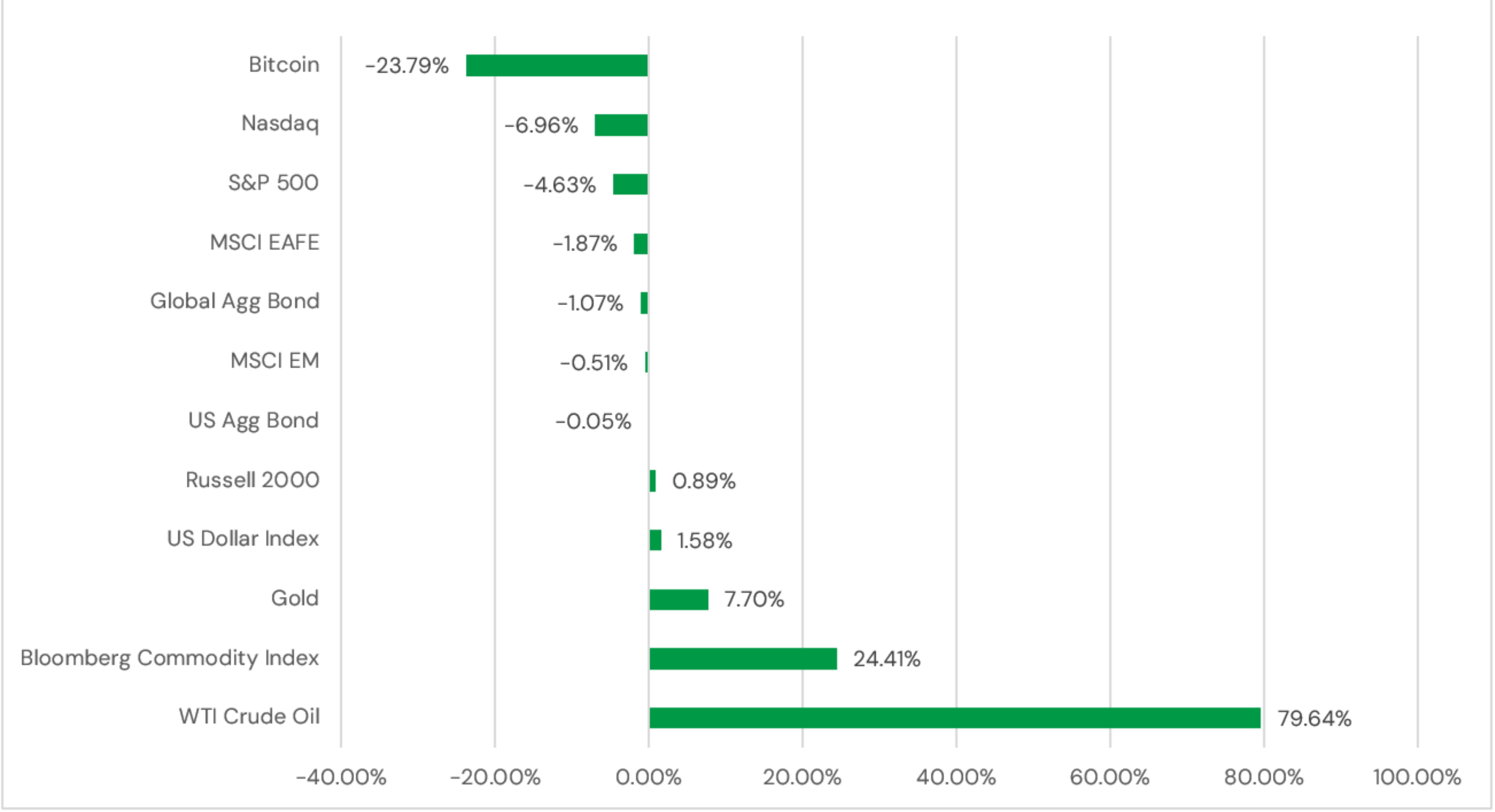
This disruption in the global commodity trade has put pressure on financial markets, as expectations for higher inflation and potential material shortages weigh on the growth outlook.[2] While the impact on market performance in March was more significant, the S&P 500 ended Q1 down just under 5%, and international indices fell roughly 2%. Fixed income was also pressured modestly, with the U.S. fixed income index down 0.05% and the international bond index down 2%. Other risk assets, such as Bitcoin and tech stocks via the Nasdaq, have seen increased selling pressure, while commodities and the U.S. dollar have seen positive performance amidst the conflict.
2026 Q1 Index Performance
Source: YCharts
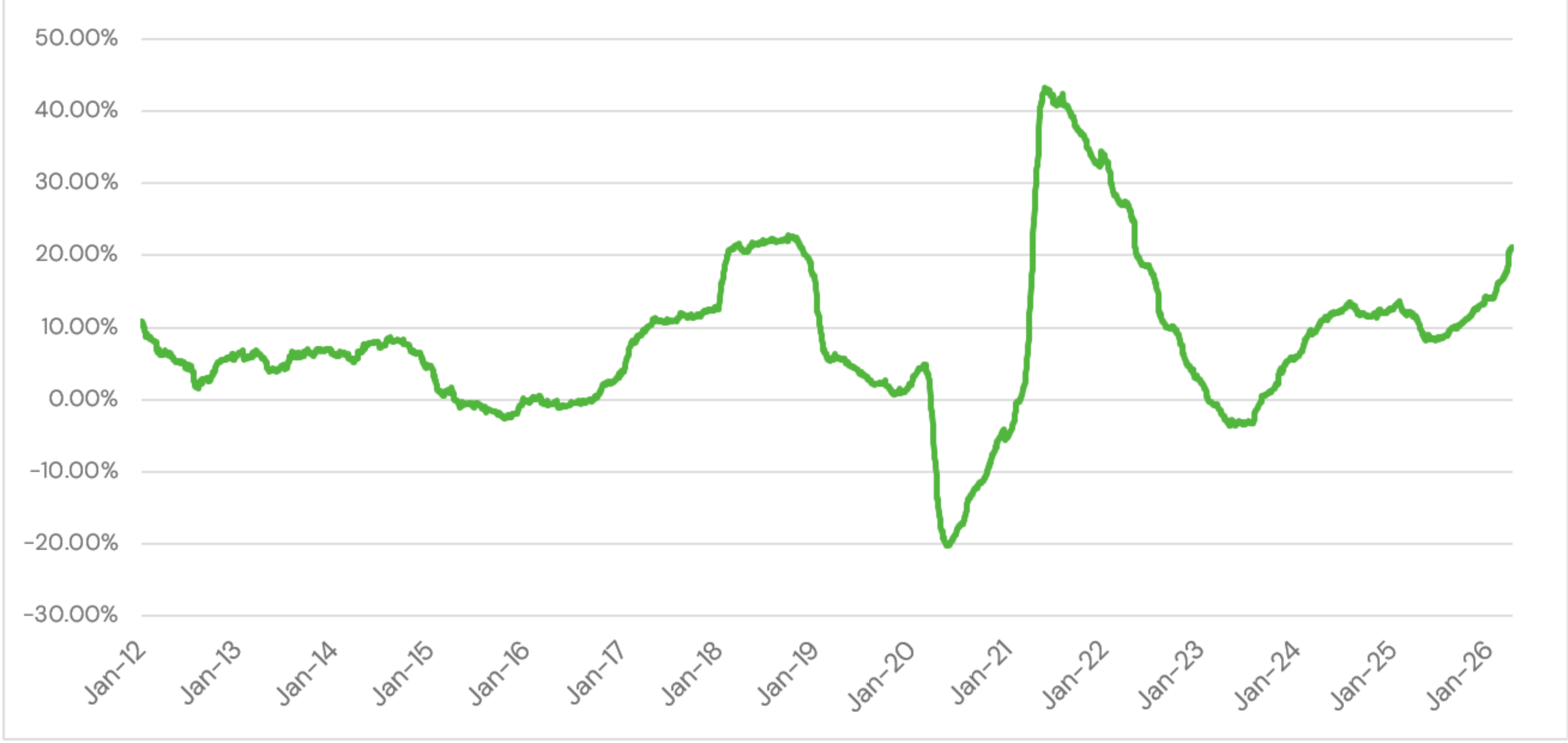
While further escalation of the conflict remains a real possibility, equity markets have started the second quarter on a positive note, as news of a ceasefire has eased concerns over worst-case outcomes. Reflecting this optimism, earnings growth for the S&P 500 remains robust, with analysts expecting north of 20% earnings growth over the next year. The Technology sector remains a major driver of this earnings strength, while rising earnings expectations for the Energy sector have helped to offset weakening earnings expectations for Industrial and Consumer sectors.[3]
12 Month Forward S&P 500 Earnings Growth Expectations
Source: Bloomberg
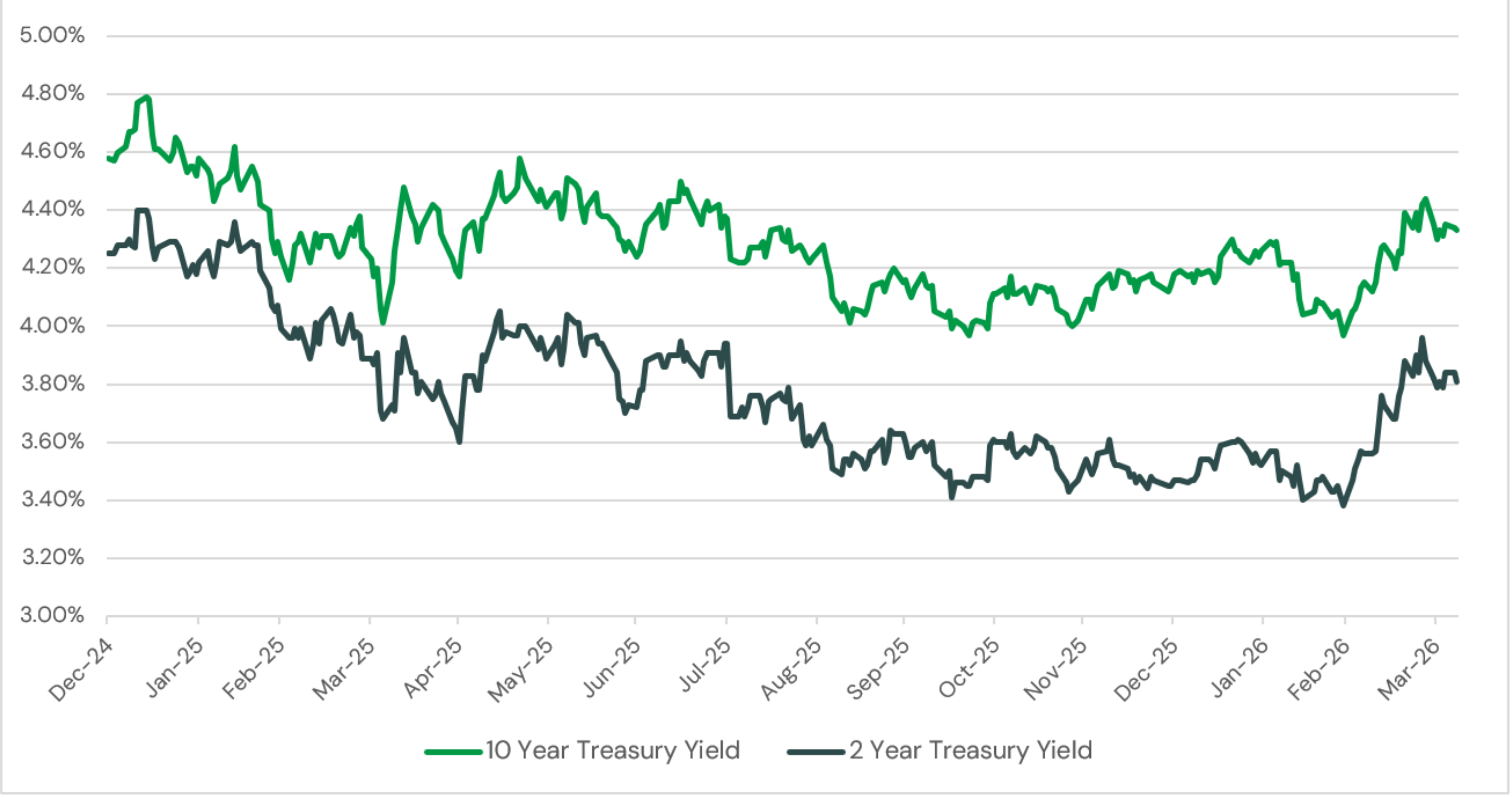
This resilience in earnings expectations has persisted despite an increase in yields across fixed income markets. After seeing bonds rally over the back half of 2025, yields on U.S. Treasuries moved higher in Q1 across both the front and back end of the yield curve. In our view, yields moved higher for two primary reasons: 1) economic data prior to the war in Iran had been particularly robust, and 2) the expected increase in inflation driven by the disruption at the Strait of Hormuz. Entering the year, the market had priced in more than two cuts to the fed funds rate, but in our view, these factors have contributed to a reduction in those expectations.
U.S. Treasury Yields
Source: Bloomberg
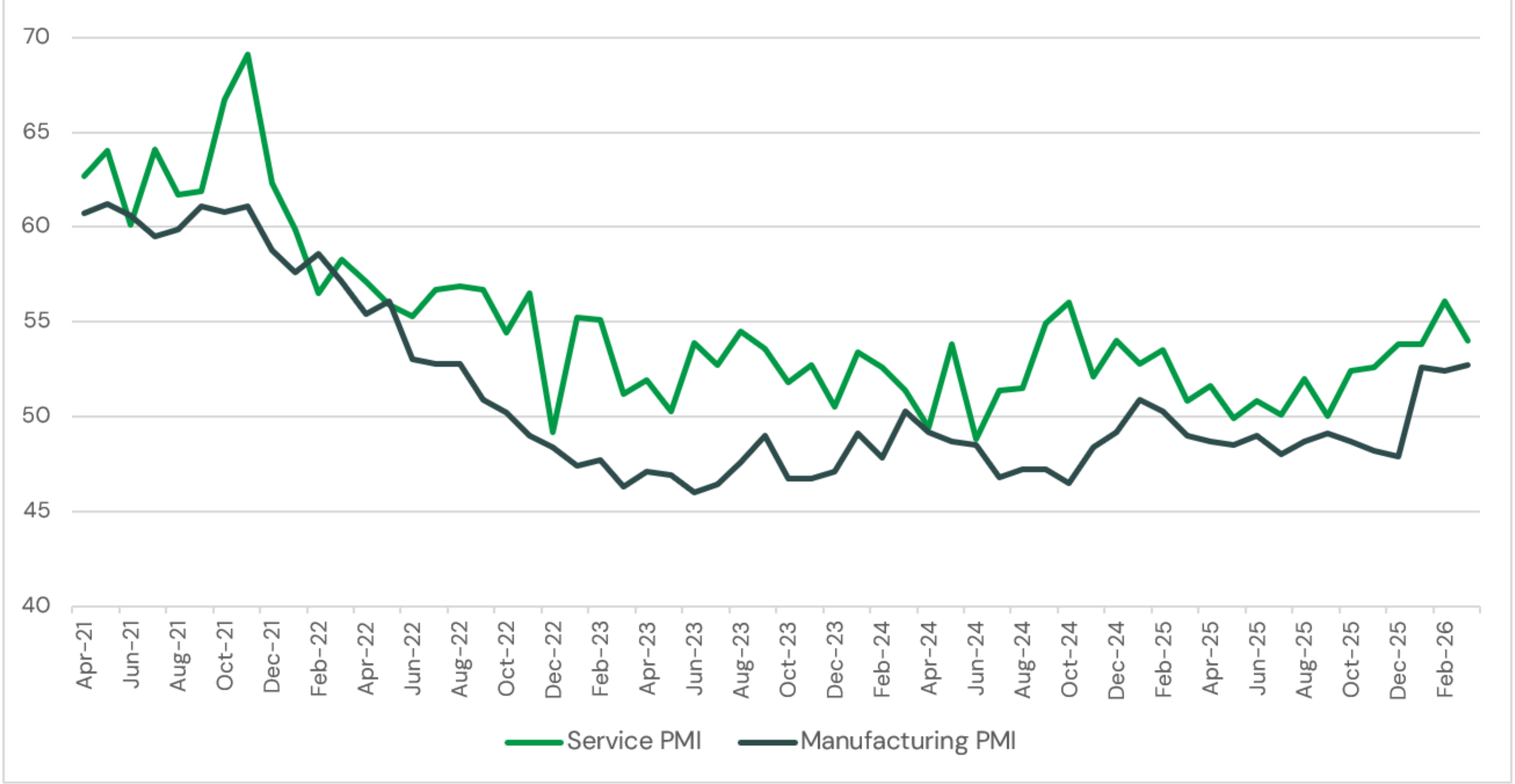
Looking first at the pre-Iran economic backdrop, activity was showing signs of expansion heading into 2026. One such measure was the U.S. Institute for Supply Management Purchasing Managers’ Index (PMI), which surveys purchasing managers across hundreds of service and manufacturing businesses about activity within their organizations. These surveys are reported on a scale of 0-100, with readings above 50 indicating expansionary activity and readings below 50 indicating contractionary activity. PMIs are generally thought of as leading economic indicators.
As shown below, the period since the Federal Reserve began tightening financial conditions, post-COVID, has resulted in a contractionary environment for manufacturing businesses, while service businesses have generally remained more resilient. However, the Manufacturing PMI somewhat surprisingly jumped higher at the end of last year and into Q1 this year, even remaining at an expansionary level through March, after the war in Iran began. While we are cognizant that this is a survey-based measure with varying degrees of accuracy over time, we believe this is an encouraging signal for economic activity.
U.S. ISM Purchasing Manager Indices
Source: YCharts, Institute for Supply Management
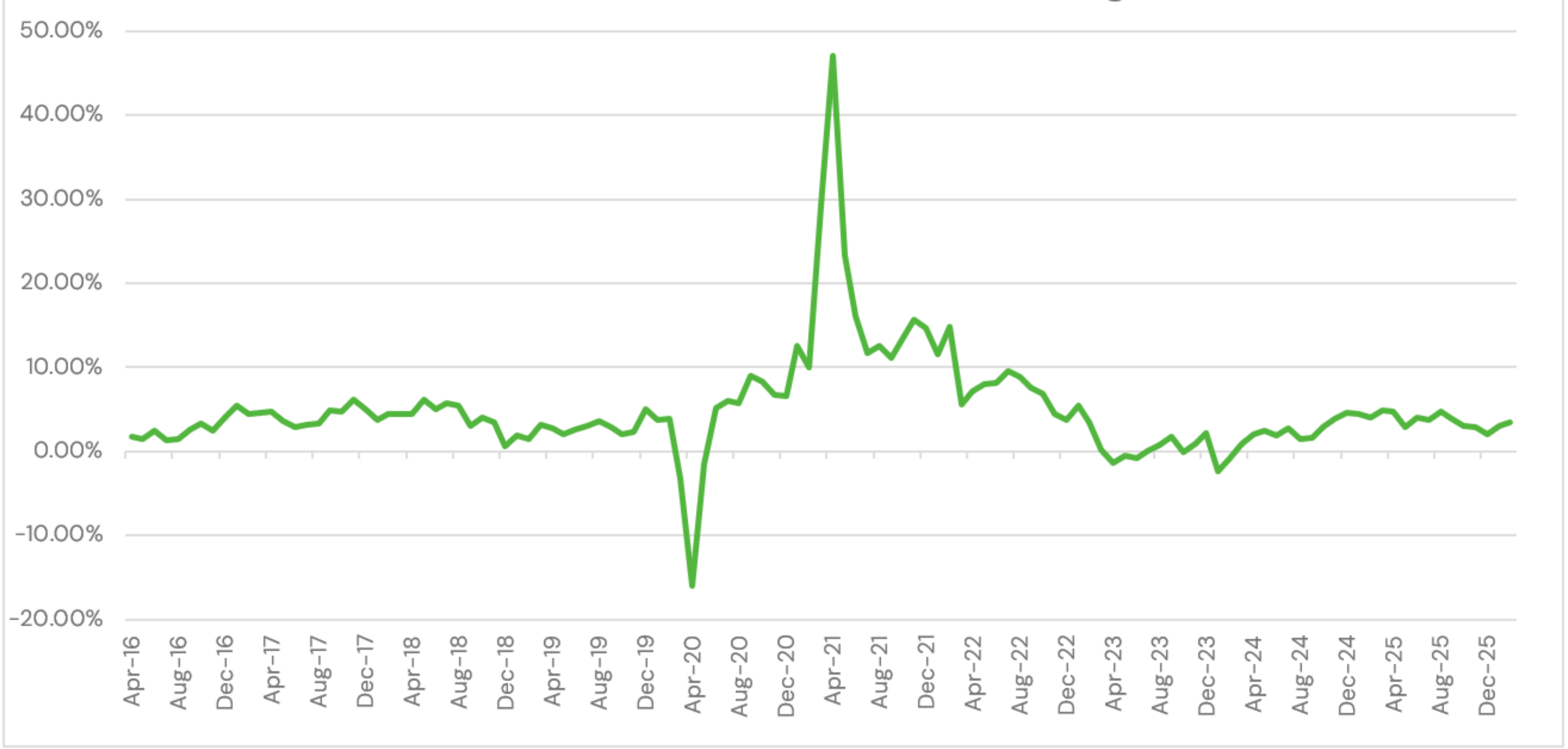
As another piece of evidence of economic strength, U.S. retail sales have continued to be resilient despite the implementation of tariffs over 2025. While this data pre-dates the war in Iran, consumer spending has continued to grow year-over-year, with the measure increasing 3.4% through February. While higher gas prices may squeeze consumers who have already been struggling under higher inflation post-COVID, this data suggests continued resilience in consumer spending.
U..S Retail Sales Year-Over-Year Change
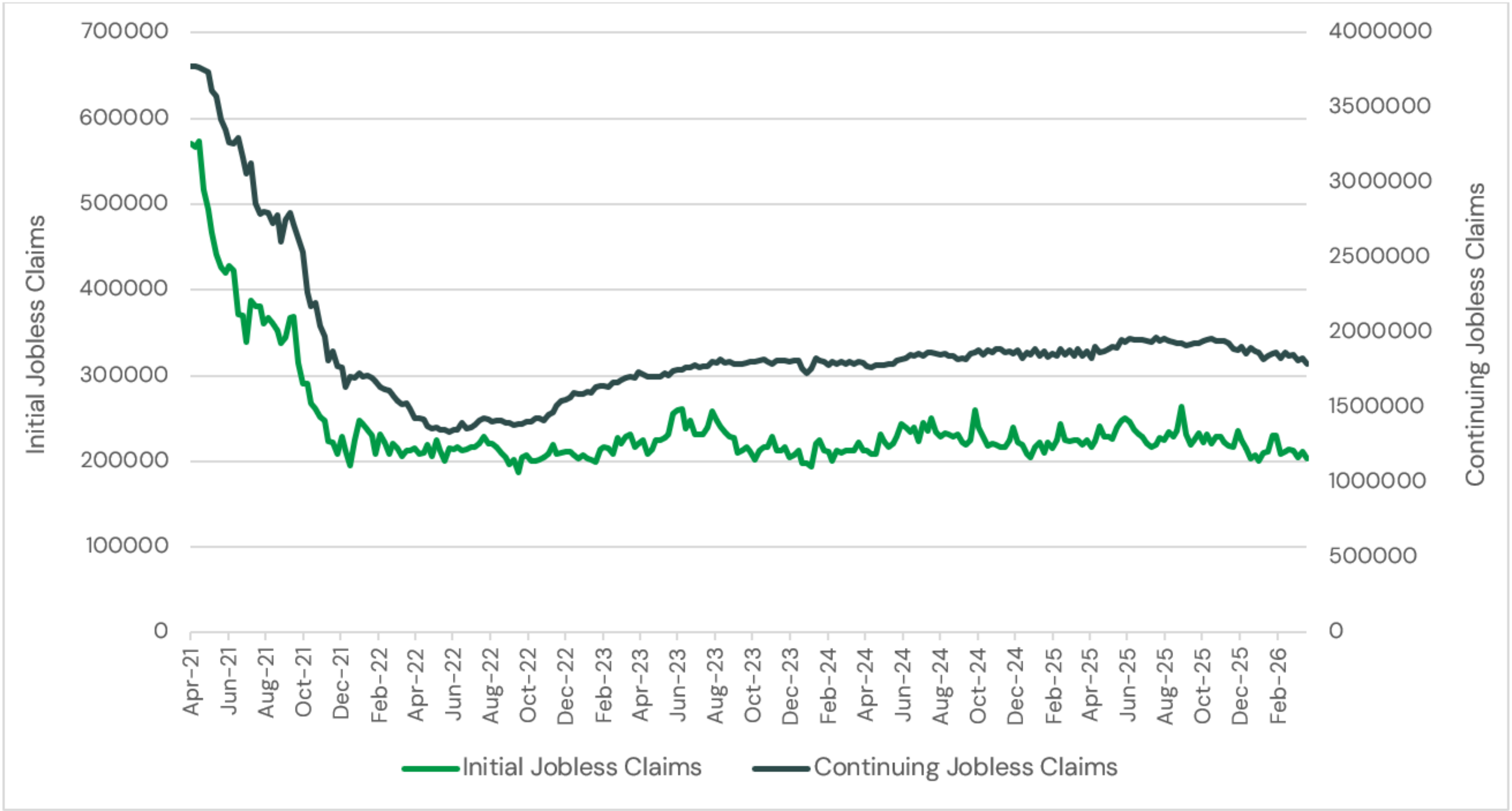
Lastly, the labor market has continued to be stable despite a significant softening in the level of demand in the U.S. After the labor market consistently added roughly 200,000 jobs per month from 2022–2024, the level of job creation in the U.S. fell to roughly 10,000 per month in 2025.[4] While this softening in demand helped to contribute to the Fed re-initiating rate cuts in 2025, we did not see this translate into significantly higher levels of unemployment. As highlighted in the chart below, the number of newly unemployed individuals filing for unemployment benefits has remained largely stable over the past four years, while the number of individuals continuing to file for unemployment benefits has begun to fall from levels seen in mid-2025.
Jobless Claims
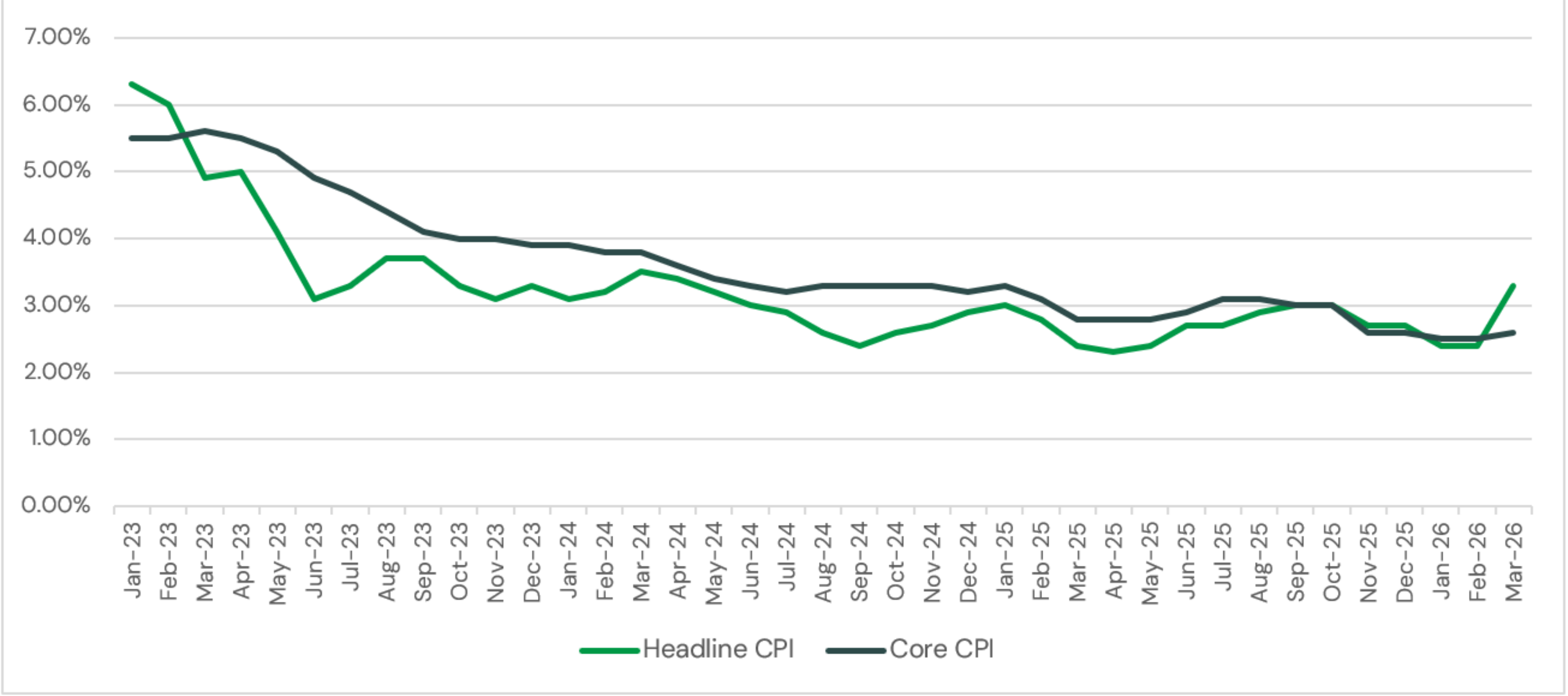
However, while economic data has so far remained generally constructive for markets, there is considerable risk of an uptick in inflation due to the disruption caused by the war in Iran. After inflation generally trended lower over the past few years, March saw a reacceleration in headline inflation, largely driven by the increase in energy costs since the start of the war. While headline Consumer Price Index (CPI) rose above 3% year-over-year in March, core CPI, which strips out the more volatile components of food and energy, remained much more subdued at 2.6% year-over-year. The duration of the disruption at the Strait of Hormuz will likely be the biggest driver of how high inflation moves, but there is a risk that the Fed and Central Banks across the globe may have to pause rate-cutting initiatives and potentially even hike rates to curb inflation. As noted above, the market appears to be treating this inflation as transitory and something the Fed can look through, but stagflation risk (higher inflation and lower growth) remains if tensions escalate.
Consumer Price Inflation
Source: YCharts, Bureau of Labor Statistics
While much of the remainder of the year’s financial market performance may depend on geopolitics and how the situation in the Middle East evolves, Simon Quick remains focused on fundamentals and building diversified portfolios to help weather periods of uncertainty.
Footnotes
[1] https://www.nbcnews.com/world/iran/strait-hormuz-shipping-traffic-effectively-standstill-iran-ceasefire-rcna267391
[2] https://www.wsj.com/economy/global/middle-east-conflict-to-derail-global-economic-pickup-push-inflation-sharply-higher-says-oecd-125d252f?
[3]https://advantage.factset.com/hubfs/Website/Resources%20Section/Research%20Desk/Earnings%20Insight/EarningsInsight_040226.pdf
[4] https://tradingeconomics.com/united-states/non-farm-payrolls
Disclaimer
The information, analysis, and opinions expressed herein are for general and educational purposes only. Nothing contained herein is intended to constitute legal, tax, accounting, securities, or investment advice nor an opinion regarding the appropriateness of any investment, nor a solicitation of any type.
Please remember that past performance may not be indicative of future results. Different types of investments involve varying degrees of risk, and there can be no assurance that the future performance of any specific investment, investment strategy, or product (including the investments and/or investment strategies recommended or undertaken by Simon Quick Advisors LLC), or any non-investment related content, made reference to directly or indirectly in this presentation will be profitable, equal any corresponding indicated historical performance level(s), be suitable for your portfolio or individual situation, or prove successful. Asset Allocation may be used in an effort to manage risk and enhance returns. It does not, however, guarantee a profit or protect against loss. Due to various factors, including changing market conditions and/or applicable laws, the content may no longer be reflective of current opinions or positions. Moreover, you should not assume that any discussion or information contained in this presentation serves as the receipt of, or as a substitute for, personalized investment advice from Simon Quick Advisors LLC. To the extent that a reader has any questions regarding the applicability of any specific issue discussed above to his/her individual situation, he/she is encouraged to consult with the professional advisor of his/her choosing. Investing in alternatives may not be suitable for all investors, and involves a high degree of risk. Many alternative investments are highly illiquid, meaning that you may not be able to sell your investment when you wish. Risk of alternative investments can vary based on the underlying strategies used.
Certain information contained herein may be “forward-looking” in nature. Due to various risks and uncertainties, actual events or results or the actual performance of the Fund may differ materially from those reflected or contemplated in such forward-looking information. As such, undue reliance should not be placed on such information. Forward-looking statements may be identified by the use of terminology including, but not limited to, “may,” “will,” “should,” “expect,” “anticipate,” “target,” “project,” “estimate,” “intend,” “continue” or “believe” or the negatives thereof or other variations thereon or comparable terminology.
Simon Quick Advisors LLC is neither a law firm nor a certified public accounting firm and no portion of the presentation content should be construed as legal or accounting advice. If you are a Simon Quick Advisors LLC client, please remember to contact Simon Quick Advisors LLC, in writing, if there are any changes in your personal/financial situation or investment objectives for the purpose of reviewing/evaluating/revising our previous recommendations and/or services. Simon Quick Advisors, LLC (Simon Quick) is an SEC registered investment adviser with a principal place of business in Morristown, NJ. Simon Quick may only transact business in states in which it is registered, or qualifies for an exemption or exclusion from registration requirements. A copy our written disclosure brochure discussing our advisory services and fees is available upon request. References to Simon Quick Advisors as being “registered” does not imply a certain level of education or expertise.
Historical performance results for investment indices and/or categories have been provided for general comparison purposes only, and generally do not reflect the deduction of transaction and/or custodial charges, the deduction of an investment management fee, nor the impact of taxes, the incurrence of which would have the effect of decreasing historical performance results. It should not be assumed that your account holdings correspond directly to any comparative indices. You cannot invest directly in an index.
Indices included in this report are for purposes of comparing your returns to the returns on a broad-based index of securities most comparable to the types of securities held in your account(s). Although your account(s) invest in securities that are generally similar in type to the related indices, the particular issuers, industry segments, geographic regions, and weighting of investments in your account do not necessarily track the index. The indices assume reinvestment of dividends and do not reflect deduction of any fees or expenses.
Please Note: (1) performance results do not reflect the impact of taxes; (2) It should not be assumed that account holdings will correspond directly to any comparative benchmark index; and, (3) comparative indices may be more or less volatile than your account holdings.
Please note: Indices are frequently updated and the returns on any given day may differ from those presented in this document
Economic, index, and performance information is obtained from various third party sources. While we believe these sources to be reliable Simon Quick Advisors LLC has not independently verified the accuracy of this information and makes no representation regarding the accuracy or completeness of information provided herein.
As of April 1st, 2022, Simon Quick Advisors LLC has changed private capital index providers from Cambridge Associates to Pitchbook Benchmarks.